
Renovation & Pre-Sale Painting
Finishing a renovation, moving into a new place or getting ready to sell? Each needs a different kind of scope. Robin helps you work out which surfaces to paint, and when. He paints renovated, newly bought and soon-to-be-sold homes in Kingaroy, and every surface is listed in the quote before work starts.
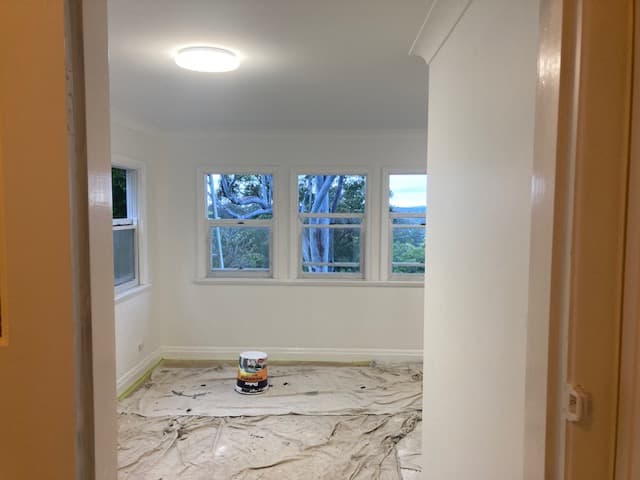
Three reasons people call
Finishing after a renovation
New plasterboard, patched walls and replaced trims sit next to old painted surfaces. Painting comes after the other trades have finished, and joins between old and new surfaces are prepared so they read as one wall. Robin agrees with you, and with your builder if you have one, where painting fits in the job.
Repainting before you move in
An empty house is the easiest time to paint. Rooms can be done without moving furniture, and the work can be planned around your settlement and moving dates, whether you are moving across Kingaroy or into the area. Tell Robin your settlement date when you first get in touch, so the quote and start date can be lined up early.
Refreshing before a sale
Some properties need a targeted refresh; others are better with a full repaint of key rooms. Robin explains the difference for your property so you can decide. The quote covers only the rooms and surfaces you choose, scoped to suit your listing date.
Touch-up or full repaint?
Touch-ups do not always blend in with the surrounding paint. Robin will tell you honestly which option suits each room.
Targeted refresh
Suits walls that are in good condition with isolated marks or repairs, where the original colour and sheen are known. Older paint may have faded, so patches can show. Repainting a whole wall to its corners usually gives a more even result than spot touch-ups.
Full repaint
Suits rooms with widespread wear, mixed colours, dated finishes or many repairs. It costs more and takes longer, but gives a consistent finish across the room. It also lets you change colour, which a touch-up can’t.
Painting can make a property easier to present, but it cannot guarantee a sale price. If you’re weighing the two options, Robin can talk through both for the rooms in question so you can compare the scope, time and cost.
Working alongside other trades
Painting is usually one of the last jobs in a renovation. Starting too early means new marks from other trades; starting too late can hold up flooring or handover. Getting the timing right protects both the finish and your schedule.

- Plastering and patching should be complete and dry before painting starts.
- Ceilings and walls are usually painted before new flooring goes down.
- Joinery, door hardware and fittings are easiest to finish around once installed.
- If the scope changes because of what another trade has done, it is discussed and quoted before the extra work is done.
New plaster next to old walls
New plasterboard and patched areas absorb paint differently from walls that have been painted before. They get a sealer undercoat first, then two top coats, so old and new surfaces finish evenly.
Dark colours and side light
Paint shows the plasterer’s finish underneath it. Dark colours, higher-sheen paints and strong side lighting make joins and small marks easier to see. If you are planning any of these, say so before the plastering is done, so the plasterer can allow for a smoother finish.
Where patching stops
Patching within the painting scope covers minor dents, cracks and joins. Larger repairs belong to the relevant trade. Robin will point out anything beyond the painting scope during the assessment, so it can be sorted before painting starts.
For room-by-room detail, see interior house painting and exterior house painting.
How a renovation repaint is scoped and sequenced
An example of how the quote and timing come together once other trades are involved.
Look at the property
Robin sees the rooms, notes new and old surfaces, and asks which trades are still to finish. Older paint that may need testing for lead is checked at this stage.
Write the scope
The quote lists each room and surface, the patching included, and what belongs to other trades.
Place painting in the sequence
A start date is set for after plastering and fit-off and before new flooring, around your target date.
Paint and hand over
Surfaces are prepared and painted, any scope changes are agreed first, and you walk through the result.
Renovation and pre-sale painting near you
Kingaroy
Main service area.
Renovation painting questions
Question not covered here? Ask Robin directly on 0439 819 979.
When should painting follow other trades?
Painting usually comes after plastering and patching are complete and dry, and before new flooring goes down. Joinery, door hardware and fittings are easiest to finish around once installed. Robin confirms the timing with you, and with your builder if you have one, before a start date is set, so the painting isn’t marked by later trades and doesn’t hold up the flooring.
Can work be planned before photography?
Yes. If your agent has booked listing photos, tell Robin the date when you ask for a quote, and the scope and start date can be set to suit it. Paint needs time to dry, and fittings, curtains and pictures need to go back up, so leave a margin between the finish date and the photo shoot rather than planning them for the same day.
What determines whether a touch-up is suitable?
Mostly the condition of the wall and whether the original paint is known. Touch-ups work best on walls in good condition with isolated marks, where the colour and sheen can be matched. Older paint fades, so a patch can show. In that case, repainting the whole wall to its corners usually gives a more even result. Robin will tell you which option suits each room.
Do you repaint rentals between tenants?
Yes. More than a third of Kingaroy homes are rented, according to the 2021 Census, so many owners need painting done between one lease ending and the next starting. Robin quotes the rooms and surfaces you want refreshed and agrees a start date around the vacate and new-lease dates. Empty rooms are the quickest to prepare, so share those dates early.
We’re renovating an older home. What about lead paint?
The Australian Government’s Lead Alert guide says homes built before 1970 are most at risk, and renovation work often means sanding or scraping old surfaces. Robin is trained in treating lead paint hazards. He will recommend testing older paint before any sanding or scraping and, where lead is found, do the lead-safe preparation himself.
What affects the cost of renovation painting?
The number of rooms and surfaces, and the mix of new and old ones, matter most. New plaster needs a sealer undercoat, patched areas need preparation, and a big colour change can add coats. Access and ceiling heights play a part too. If another trade’s work changes the scope, the extra is discussed and quoted before it is done.
Tell Robin about the property
Share the property and suburb, the rooms and surfaces involved, how ready it is for painting, and your target date. You can also see Robin’s earlier work first.